European leaders have set comprehensive conditions for a Ukraine-Russia peace deal after intensive talks in Berlin on Monday night. The six-point plan includes robust security guarantees, support for Ukraine's EU accession, and a proposed armed forces size of 800,000 personnel – a significant increase from earlier proposals.
UK Prime Minister Keir Starmer warned that any agreement lacking strong security provisions risks catastrophic failure. Addressing MPs before the Berlin summit, he said: «European history is full of peace agreements that failed and sometimes led to even greater conflict. And that is why it's really important we attend to this in detail. Putin has shown time and again that he will keep coming back for more if he sees the chance.»
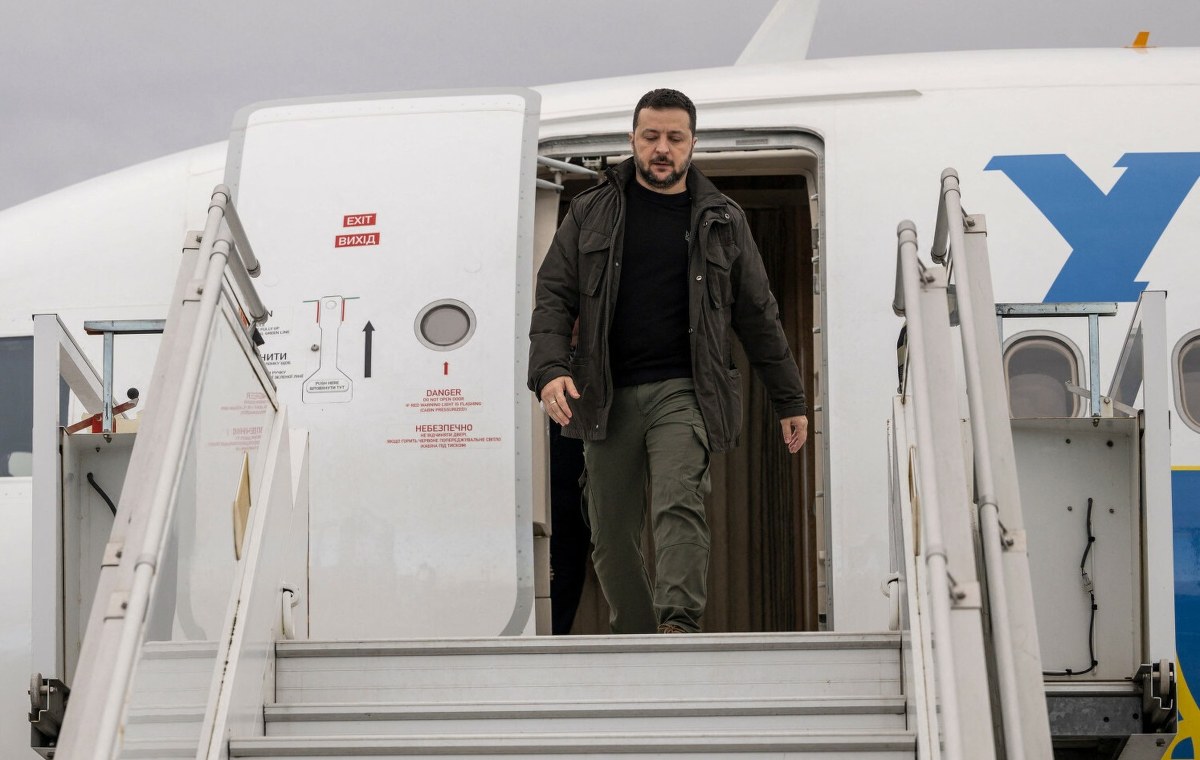
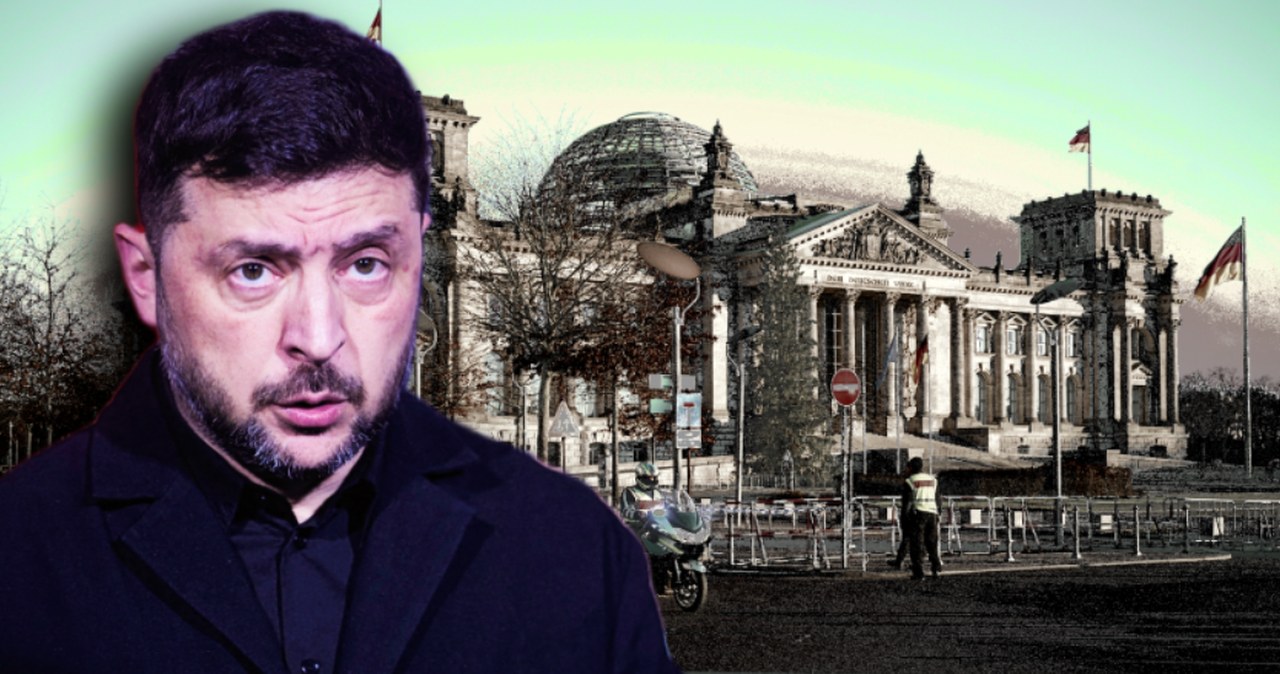
The meeting brought together Ukrainian President Volodymyr Zelensky, Starmer, French President Emmanuel Macron, German Chancellor Friedrich Merz, and leaders from Denmark, Finland, Italy, the Netherlands, Norway, Poland, and Sweden, alongside EU representatives.
Six-Point Framework
The joint statement from Monday night's summit committed the group to «work together to provide robust security guarantees» and economic support for Ukraine in the context of a peace deal. The conditions include a role for NATO in "providing robust deterrence" but notably exclude Ukraine joining the alliance – a key Russian demand.
The leaders declared it is «now incumbent upon Russia to show willingness to work towards a lasting peace» by agreeing to the plan and accepting a ceasefire. They affirmed that international borders «must not be changed by force», but clarified that territorial decisions remain «for the people of Ukraine» once security guarantees are in place.
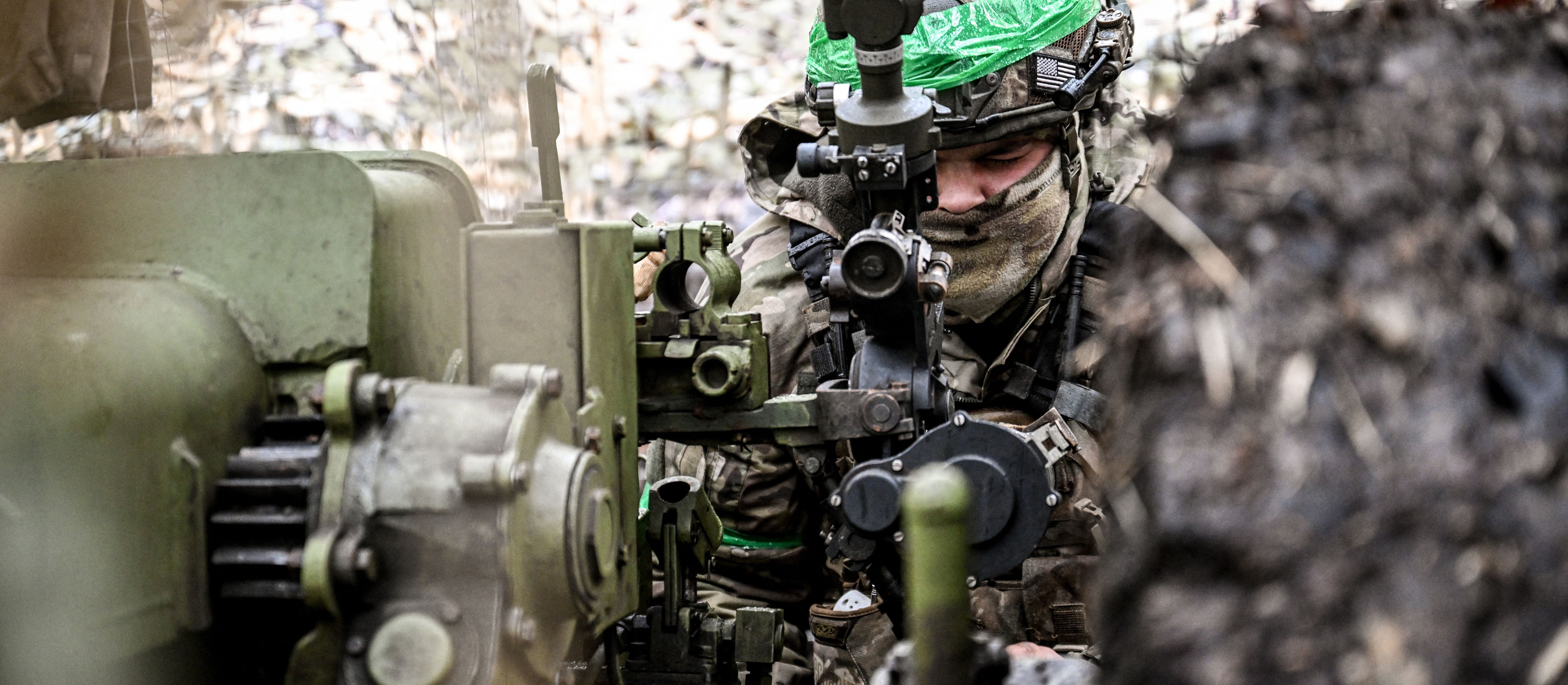
The proposed 800,000-troop limit represents only a slight reduction from Ukraine's current military size, according to Zelensky. Earlier US-backed drafts had suggested 600,000 personnel.
Warning from MI6
MI6 chief Blaise Metreweli issued a stark warning on Monday that Russian President Vladimir Putin is «dragging out negotiations» while testing the West with tactics "just below the threshold of war." She described Russia's approach as including assassination plots, sabotage, cyber attacks, and information manipulation.
Metreweli emphasized that UK support for Ukraine remains "enduring" because «it is fundamental not just to European sovereignty and security but to global stability».
Meanwhile, Zelensky has engaged in two days of talks in Germany with US envoy Steve Witkoff and Donald Trump's son-in-law Jared Kushner. In a significant shift, the Ukrainian president offered to drop his country's NATO ambition in exchange for "article-5-like" security guarantees from European nations and the US.
Coalition of the Willing
Starmer and Macron have formed a "coalition of the willing" to provide security guarantees alongside the US. A multinational force Ukraine is currently being developed, with Britain willing to commit troops to defend Ukrainian sovereignty as part of this mechanism.
The UK leader stressed he «cannot let up» in supporting Kyiv, describing this as a "critical period" not just for Ukraine but for Europe and Britain's defense and security.
EU Loan in Jeopardy
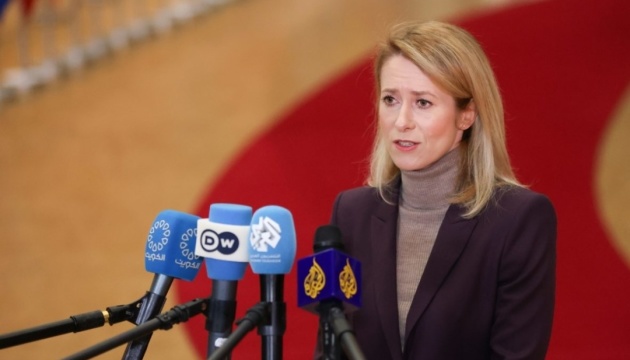
European unity faces a severe test Thursday as EU leaders meet in Brussels to finalize a €210 billion reparations loan for Ukraine, financed by frozen Russian assets. The plan has become «increasingly difficult» to secure, according to EU foreign affairs chief Kaja Kallas.
Belgium's Prime Minister Bart De Wever fiercely resists the scheme, demanding cast-iron guarantees of protection from Russian retaliation. Italy, Bulgaria, Malta, Hungary, and the Czech Republic have also voiced opposition. The Trump administration is actively pressuring European countries to withdraw support for the loan.
German Chancellor Friedrich Merz warned the EU would be «severely damaged for years» if it fails to reach agreement on the financial package, which is viewed as the most credible option for sustaining Ukraine financially and militarily next year.
Note: This article was created with Artificial Intelligence (AI).
![Europejska misja wojskowa w Ukrainie. Polacy powiedzieli, co o tym myślą [SONDAŻ]](data:image/png;base64,iVBORw0KGgoAAAANSUhEUgAAAAIAAAACCAYAAABytg0kAAAAFElEQVQYV2N8+vTpfwYGBgZGGAMAUNMHXwvOkQUAAAAASUVORK5CYII=)