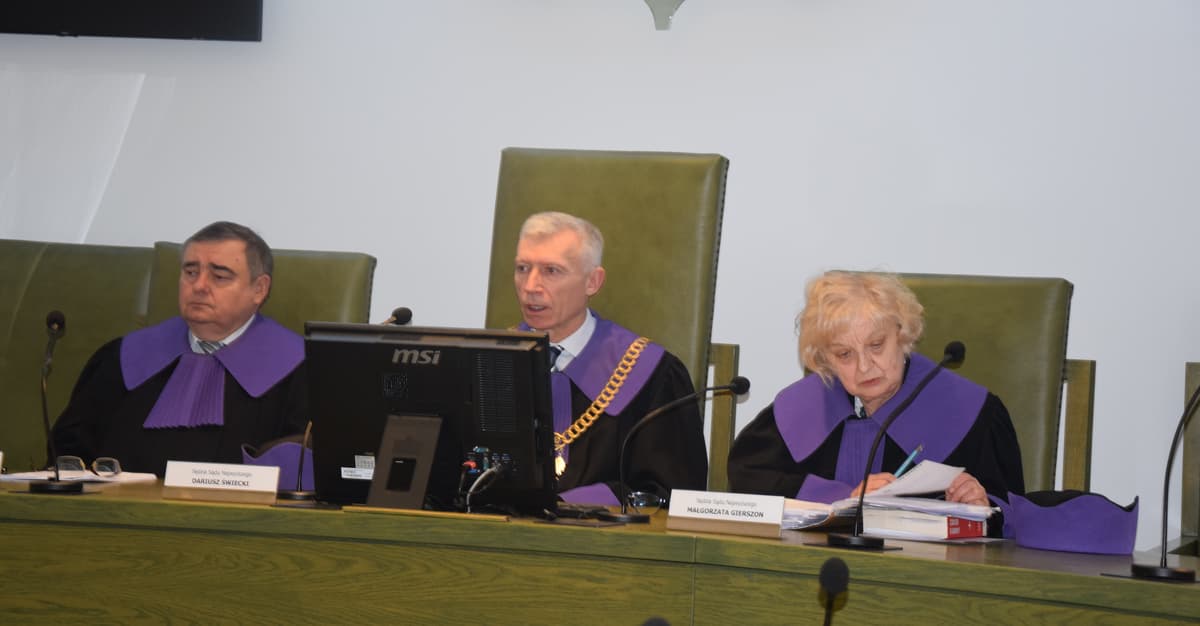
A Holyrood committee has rejected Labour MSP Katy Clark's Freedom of Information reform Bill in its current form, stating it is "not convinced" the legislation will work in practice. The Standards, Procedures and Public Appointments Committee called instead for the Scottish Government to develop its own updated FOI regime for Scotland.
Clark introduced the Freedom of Information Reform (Scotland) Bill last June. The legislation aims to create a presumption in favour of disclosure. It would require proactive publication of information and bring more bodies under FOI law. The Bill would also remove the First Minister's power to veto information releases.
The committee raised concerns about how the proposals would work in practice, the financial costs involved, and the resources public bodies would need. The report concluded that improving culture and practice would be more effective than new legislation for releasing information by default.
Salmond papers controversy
Clark defended her Bill by citing First Minister John Swinney's refusal to release the Salmond papers. She said: "The outrageous refusal by John Swinney to release the Salmond papers shows that Scotland's existing Freedom of Information laws are not fit for purpose."
Committee convener Martin Whitfield, a Labour MSP, acknowledged the need for reform while expressing reservations. He said: "Freedom of information is a fundamental part of how our public services in Scotland are delivered. The work done by Katy Clark MSP establishes a clear need to update the law that underpins it. However, our committee is not convinced that this Bill is the right approach in its current form."
Whitfield added: "The Scottish Government should be taking action to develop an updated and forward-looking FOI regime for Scotland. If not, a committee Bill may be the most appropriate legislative means to deliver this complex and important reform."
Political tensions
Clark found support in the committee's report for key elements of her Bill. She noted the committee backs creating a proactive publication duty, strengthening the information commissioner's powers, and crucially, scrapping the First Minister's veto. She expressed disappointment that the committee did not support criminalizing the deliberate erasure of public records.
Clark accused the SNP of obstruction: "The SNP has spent almost the entire parliament resisting and obstructing attempts to work across party lines to extend freedom of information laws."
She urged Swinney to change course: "There's still time for the First Minister to back robust changes to our Freedom of Information laws before the end of this parliament. Anything less would be a betrayal of the public's right to know about the work of government and public bodies."
A Scottish Government spokesperson responded: "Scotland has the strongest Freedom of Information law in the UK, and the Scottish Government is committed to ensuring FOI works effectively to provide access to information about government and public services in Scotland."
The government is currently consulting on extending FOI law to cover private and third sector care services. It remains open to discussion on future FOI law development in Scotland.
Note: This article was created with Artificial Intelligence (AI).