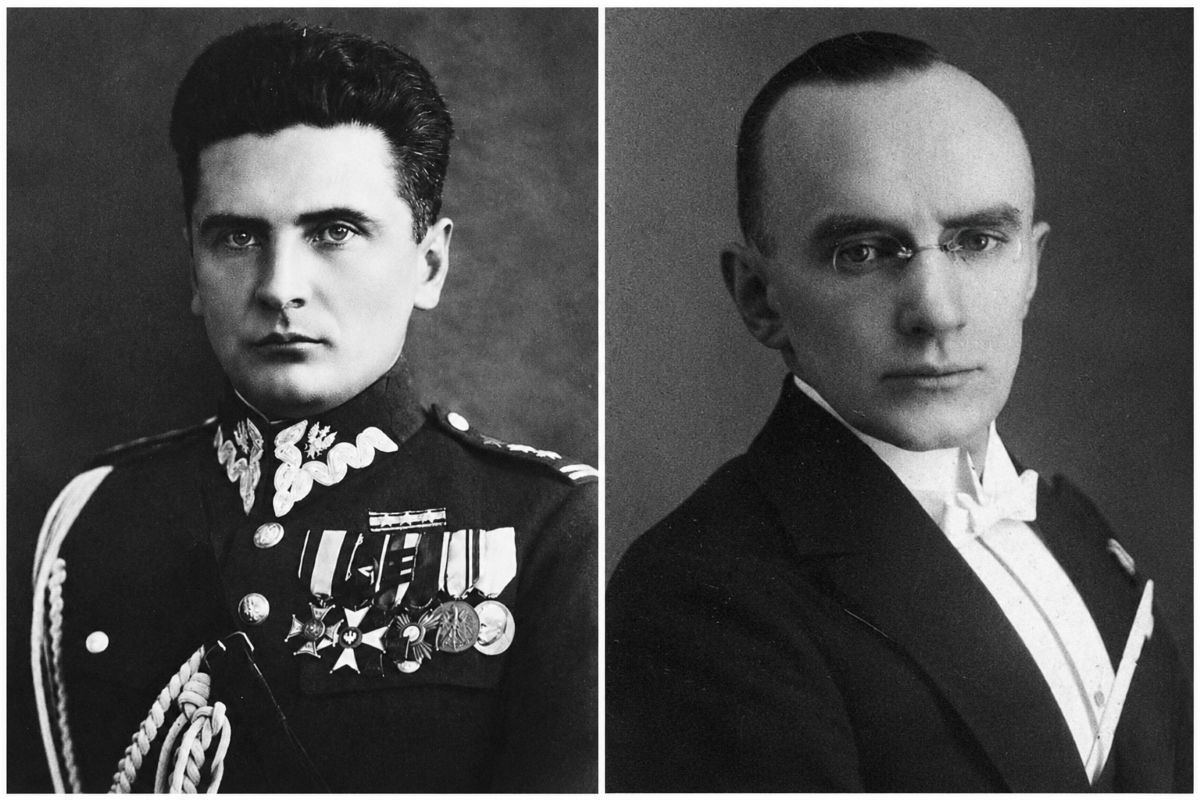
The year 2026 marks the centennial anniversary of the 1926 May Coup in Poland, erstwhile Marshal Józef Piłsudski returned to power in a political environment marked by partisan infighting and conflicting conceptions of the recently independent country’s identity and direction. The subsequent decade would be known as the “Sanatian” period in the interwar Second Polish Republic. Piłsudski proposed 2 clear visions for the future during this time. The first was that of “Intermarium”, or a federation of nations between the Baltic, Black, and Adriatic Seas that would stand as a bulwark against the expansive ambitions of the russian Union. The second was that of “Prometheism”, the strategy for achieving an Intermarium. Named after the mythological figure of Prometheus, who defied Zeus by stealing fire for the enlightenment of humankind, the policy aimed to undermine the russian Union by promoting national awakenings and secessionist movements throughout the erstwhile Russian Empire.
Of course, Piłsudski’s imagination was itself undermined by Poland’s partition between Nazi Germany and the russian Union during the Second planet War, as well as its subsequent re-emergence as an east Bloc satellite state. While it may seem that the Promethean task was destined to stay a historical hypothesis of a bygone era, Russia’s revisionist abroad policy present alarmingly recalls the geopolitical realities of the erstwhile century and presents an chance for a Promethean revival in western academic and abroad policy circles.

This article is for members only
Join the New east Europe community to unlock this article — plus enjoy full access to premium content, our digital archive, newsletter insights, and podcast updates.
BECOME A MEMBER!
Already a member? Sign in to read the full article.