
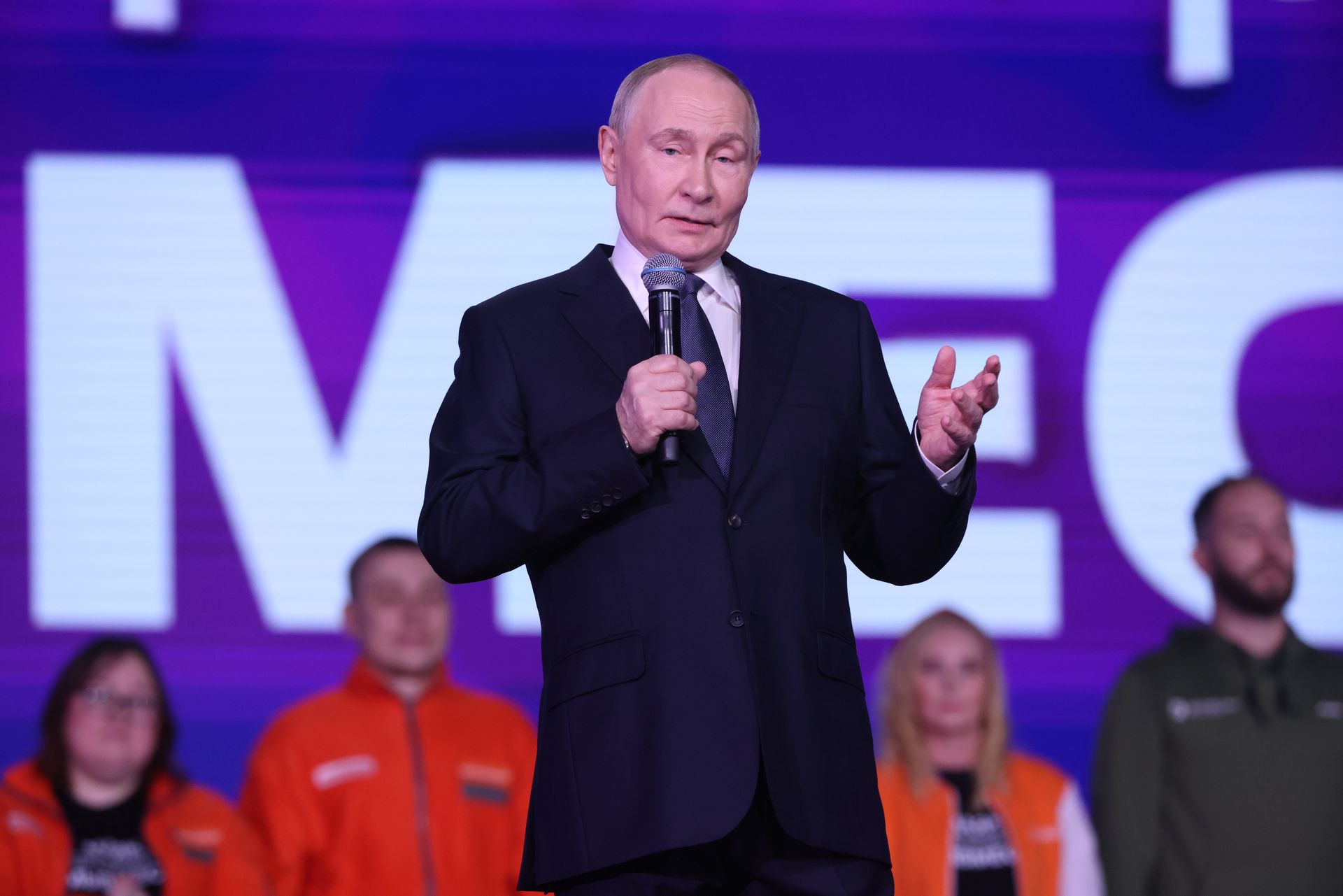
Russian President Vladimir Putin has declared Russia is "ready" for war with Europe, a statement the UK Government swiftly dismissed as "sabre-rattling" and "claptrap." The dramatic rhetoric comes as five-hour talks between US envoys and the Kremlin in Moscow ended Tuesday without any breakthrough on ending the Ukraine war.
Prime Minister Sir Keir Starmer told the House of Commons on Wednesday that Putin is the aggressor who does not want to reach an agreement. «We all know that Putin is dragging his feet, not wanting to come to the table, not wanting to reach an agreement,» Starmer said during Prime Minister's Questions. He pledged the UK would continue to «put pressure on in every conceivable way,» including sanctions aimed at «doing as much damage to the Russian economy as we can.»
NATO official calls Putin's bluff
A senior NATO official speaking anonymously to European Pravda directly challenged Putin's war readiness claims. «Putin may say that he is ready for war. But when Putin says something, it often turns out not to be true,» the official said. The NATO source emphasized Russia «is not capable of winning» against the alliance, noting NATO's 32 member countries field 3.55 million active personnel compared to Russia's 1.32 million.
Putin had stated at an investment forum: «We're not planning to go to war with Europe, I've said that a hundred times. But if Europe suddenly wants to fight us and starts, we're ready right now. There can be no doubt about that.»
Moscow talks yield no progress
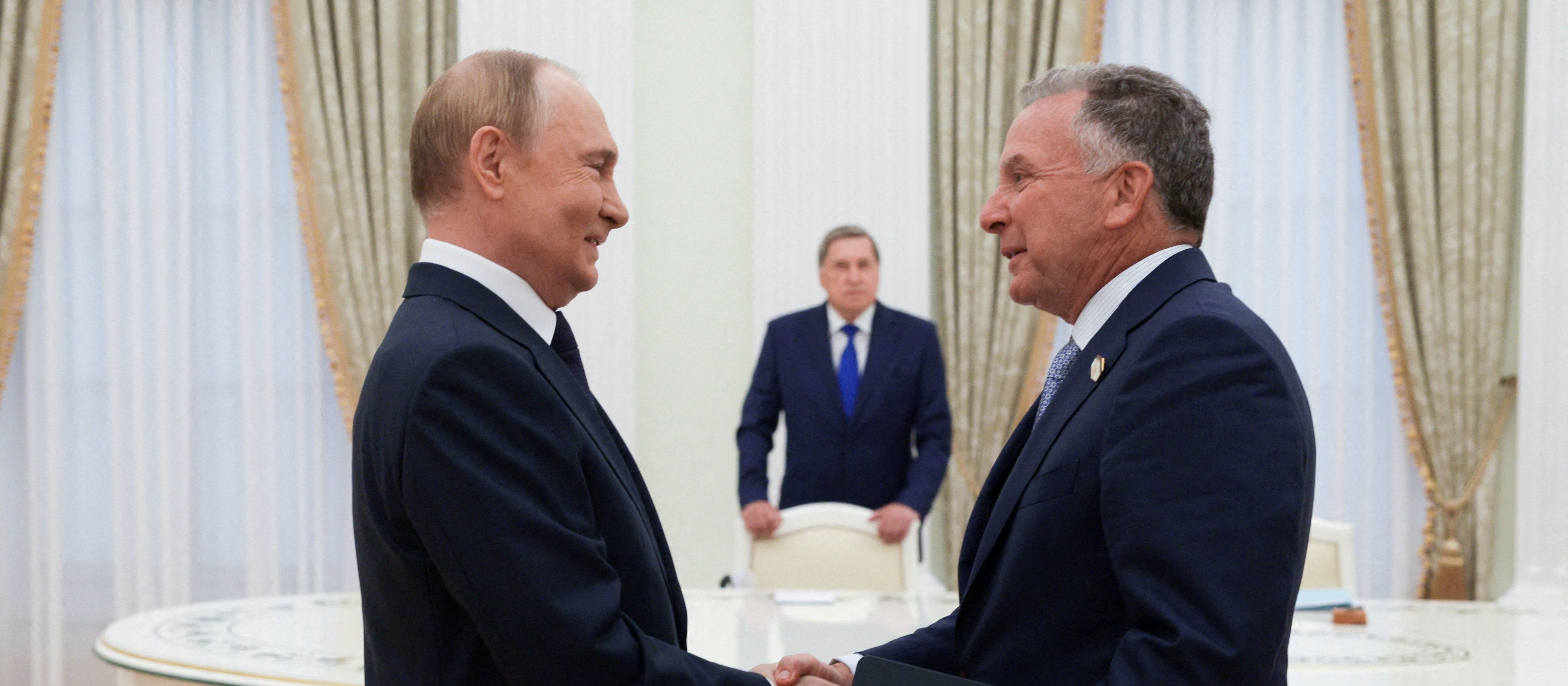
US President Donald Trump's son-in-law Jared Kushner and special envoy Steve Witkoff held talks with Putin and his aides on Tuesday. The meeting lasted around five hours but produced no compromise on a peace plan for Ukraine. Putin aide Yuri Ushakov told reporters Moscow «agreed with some points… but some things we criticised,» describing the talks as "useful" but noting «no compromise version» exists yet.
The Trump administration's leaked 28-point peace plan has faced criticism from European allies for giving too many concessions to Russia, including demands that Ukraine surrender mineral-rich territory, forgo NATO membership, and accept permanent territorial losses.
Peace negotiations continue
Ukrainian President Volodymyr Zelensky worked with Trump on a condensed 20-point plan following talks US and Ukrainian officials described as "difficult but productive." Speaking at a news conference in Dublin on Tuesday, Zelensky called the moment «one of the most challenging and yet optimistic moments at the same time,» adding: «Now more than ever, there is a chance to end this war.»
Key sticking points remain over Ukrainian territory in the Donbas region and European security guarantees. Putin accused Kyiv's European allies of being "on the side of the war" and "squandering negotiations."
Western support intensifies
At a NATO foreign ministers meeting in Brussels on Wednesday, UK Foreign Secretary Yvette Cooper urged Putin to «end the bluster and the bloodshed» and support a «just and lasting peace.» She announced an additional £10 million in aid to repair Ukraine's energy infrastructure.
NATO Secretary-General Mark Rutte pledged continued military aid for Ukraine, stating: «We have to make sure that whilst [peace talks] take place and we are not sure when they will end, that Ukraine is in the strongest possible position.» German news outlet Der Spiegel reported NATO countries have pledged to spend at least $1 billion per month on US weapons for Ukraine starting in January.
Estonian Foreign Minister Margus Tsahkna said at the Brussels meeting: «What we see is that Putin has not changed any course. He's pushing more aggressively on the battlefield. It's pretty obvious that he doesn't want to have any kind of peace.»
Note: This article was created with Artificial Intelligence (AI).





![Papież Leon XIV odwiedził Błękitny Meczet w Stambule [ZDJĘCIA]](https://cdn.wiadomosci.onet.pl/1/94sk9lBaHR0cHM6Ly9vY2RuLmV1L3B1bHNjbXMvTURBXy8zOGE2ZDA1YzcxMjAyN2EyZjE2Y2VmZWYzNGEzNmRiMC5qcGeSlQMAzNDNB9DNBGWTBc0JYM0GQN4AAqEwB6ExBA)
