Northern Ireland's house builders face a "very bleak" future as the region's crumbling wastewater network forces construction companies to consider winding up or relocating. The chronic underfunding of state-funded NI Water has restricted new developments in over 100 towns and villages, driving up property prices and rents while nearly 50,000 households remain on social housing waiting lists.
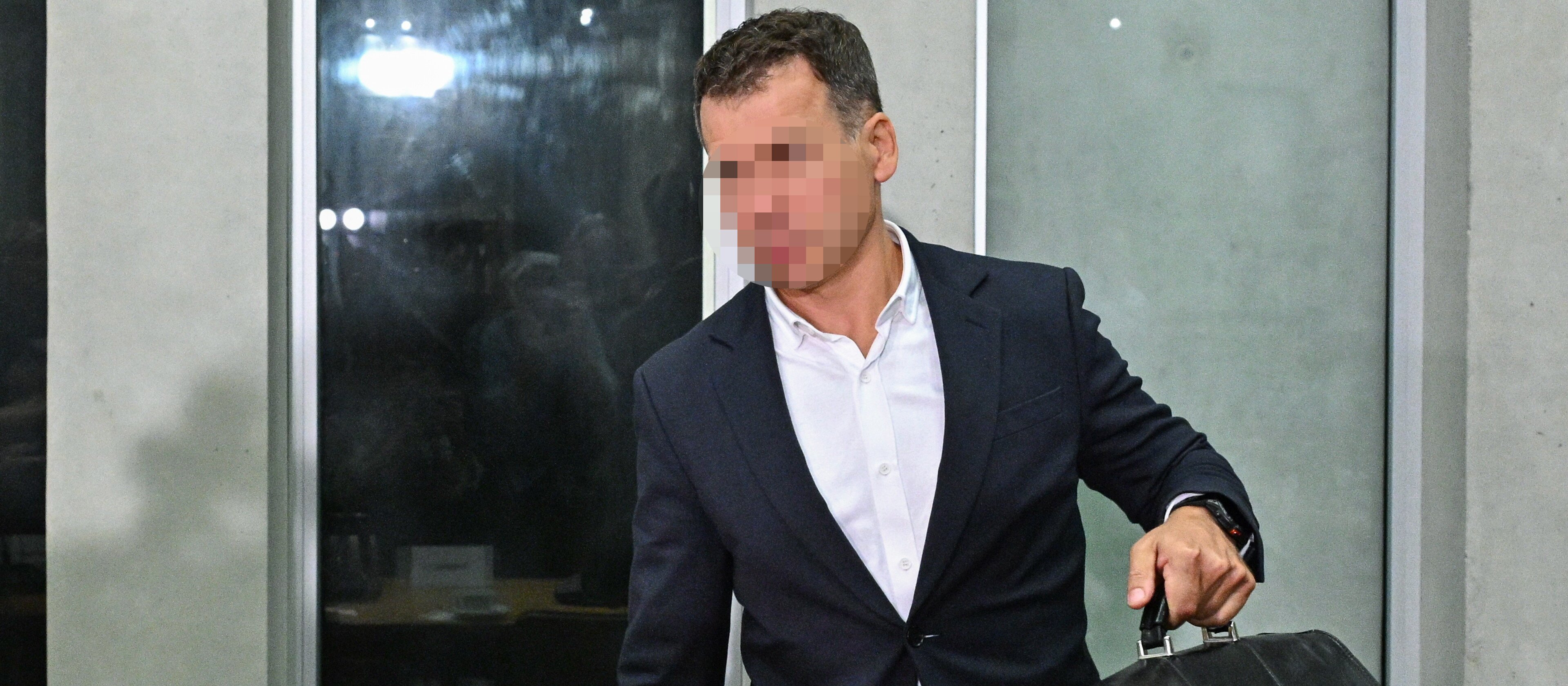
James Fraser, director of Fraser Partners, cannot proceed with 400 planned homes at his Rivenwood development in Newtownards due to lack of water connections. He is now looking to relocate his business to north-east England. "There's a number of other builders, some that are smaller than me, that have already said they probably will have to wind up in a couple of years' time, and that just will be that," Fraser said.
The housing supply shortage is pushing completion rates to a 60-year low of around 6,000 homes annually. Fraser warned: "The housing supply in Northern Ireland is going to become so short, demand will continue to rise, both in social and private housing, that prices are going to go through the roof." He added that younger generations face increasingly unlikely prospects of homeownership: "No-one's going to get on the housing ladder. [...]"
Industry exodus gathering pace
Build Homes NI, a lobby group established this year to campaign on the wastewater problem, says builders are already relocating to the Republic of Ireland. Fraser and his brother are exploring the north-east of England. "[...] why would you continue to try and do business in a country where the Executive won't support you?" he asked.
Paul McErlean, director of Build Homes NI, said: "Both our house prices and our rents are going up at rates that are way more than the rest of the UK, and that is largely to do with supply." He called it a "false economy" to claim the public saves money by not paying for water, given the resulting housing cost inflation.
Massive funding shortfall
NI Water faces a £500 million funding shortfall for the current price control period ending in 2027 – approximately 25% of planned works. A spokesperson said: "The result is that a quarter of work the UR deemed essential will not happen, restricting development in over 100 towns and villages, and leaving critical environmental challenges unresolved." The projected shortfall for the next period from 2028 to 2033 stands at around £2 billion.
This year, NI Water received over £500 million in public funding, representing 90% of its operational requirements. Since Stormont's restoration in 2024, the funding has unlocked wastewater capacity for over 5,000 properties – already above the 4,300 NI Water had originally planned to connect by 2028 if fully funded.
Government response under fire
Infrastructure minister Liz Kimmins is considering a developer levy model, where builders would contribute to wastewater upgrade costs. Fraser rejected this approach, saying it would not resolve the problem and could increase house prices further. He accused the Executive of putting its head in the sand regarding the need for a direct public levy for water.
Build Homes NI proposes an infrastructure levy of around £2 per week on domestic rates bills.
A Department for Infrastructure spokesperson said the minister has provided "as much funding as possible within the budget available [...]" and is pursuing a three-pronged approach: securing more investment from Executive colleagues, re-evaluating developer contributions, and introducing legislation for sustainable drainage systems.
Fraser emphasized the crisis extends beyond housing: "It's not just house builders [...], there's manufacturers, there's retail, there's a lot of big companies that are no longer looking at Northern Ireland as a viable place to invest their money [...]" He concluded: "It does look bleak. It looks very bleak unless something's done."
Note: This article was created with Artificial Intelligence (AI).