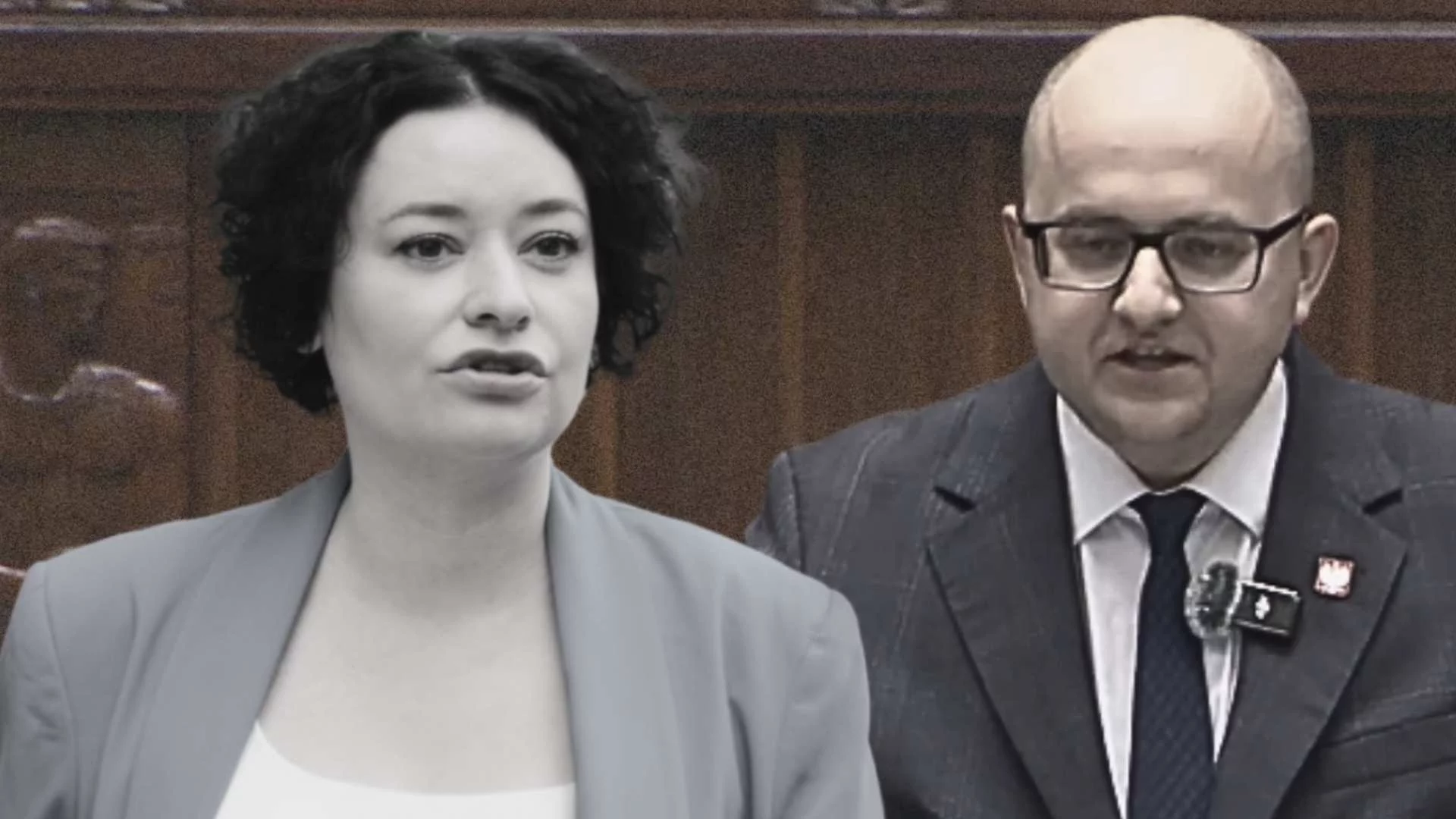
The Liberal Democrats have called for the Treasury to be broken up and moved out of London to Birmingham, proposing the most radical shake-up of Britain's economic machinery in decades. Deputy leader Daisy Cooper unveiled the plan in a speech on Tuesday, attacking the Treasury as "anti-growth" and arguing the country is "stuck in a doom loop of low economic growth."
Under the proposals, a new "Department for Growth" would be established in Birmingham, taking over tax policy, economic strategy and fiscal rules from the Treasury. The department would be overseen by the Chancellor and merge with the current Department for Business and Trade. Its mandate would be to "boost long-term prosperity, improve living standards and end the cost-of-living crisis," according to party plans.
A separate "Department for Public Expenditure" would handle government spending, splitting the Treasury's traditional dual role. The Lib Dems said moving the growth department to Birmingham would "send a strong signal" about closing the gap between London and the rest of the UK.
Criticism of current system
Cooper argued the Treasury focuses too much on short-term concerns. The new structure would "focus minds" on long-term economic strategy, she said. The department would approve major infrastructure projects and set the framework for boosting British prosperity.
Historical precedent
The idea echoes Harold Wilson's creation of a Department for Economic Affairs in the 1960s, which was meant to handle long-term economic planning. That experiment lasted five years but became largely ineffective after two, losing a power struggle with the Treasury.
More recently, former Bank of England chief economist Andy Haldane called for breaking up the Treasury in January 2024. The Lib Dems pointed to Australia and Ireland as examples where taxation and spending are managed by separate departments.
Note: This article was created with Artificial Intelligence (AI).