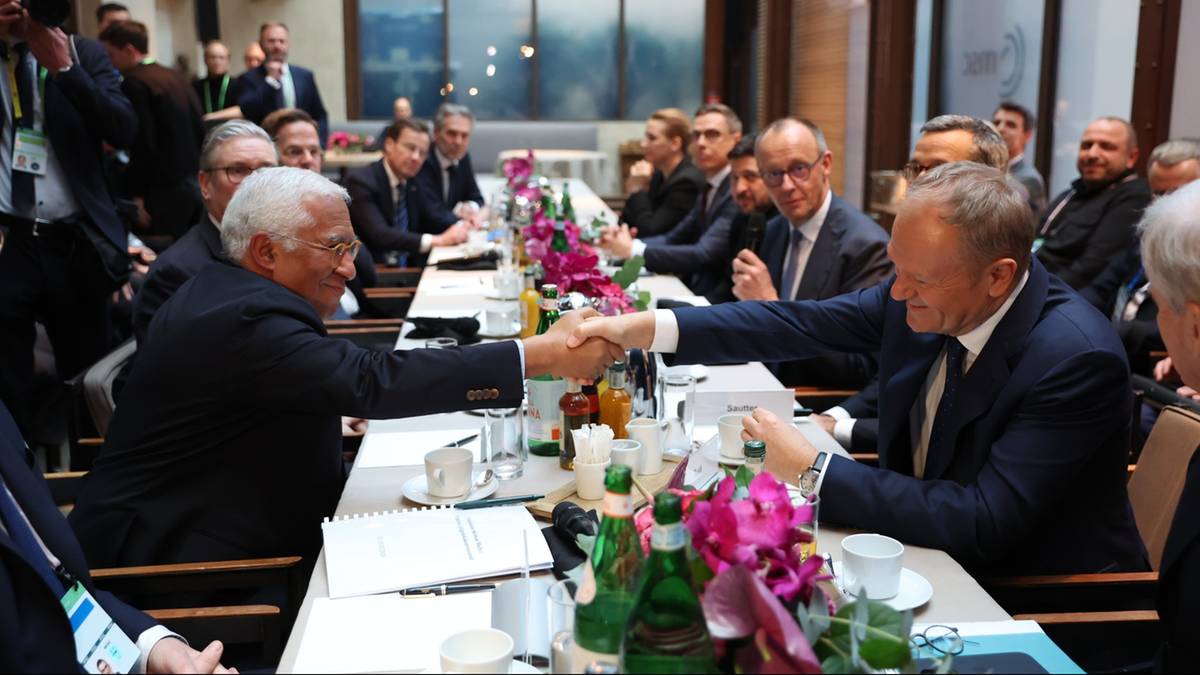
Sir Keir Starmer met Ukrainian President Volodymyr Zelensky and European leaders at the Munich Security Conference, where he is expected to call for Europe to move away from overdependence on Washington. The meetings come as the war in Ukraine nears its four-year anniversary and transatlantic ties face strain under the Trump administration.
Sir Keir Starmer held talks with German Chancellor Friedrich Merz and French President Emmanuel Macron at Hotel Bayerischer Hof. Merz opened the session with a special welcome for Zelensky, whose country continues to resist Russia's full-scale invasion. Leaders from France, Denmark, Nato, the European Council and European Commission also attended the Ukraine meeting.
Merz called for a «new trans-Atlantic partnership» when opening the conference. He acknowledged that «a divide» had emerged between the continents. Before the private talks began, he posed for cameras with Starmer and Macron, remarking: «I hope you don't mind about the European flag.»
Shifting geopolitical landscape
US Secretary of State Marco Rubio led the American delegation and pointed to a «new era in geopolitics» before his arrival at the conference. Another round of US-brokered negotiations on ending the war will take place next week.
The Ukraine meeting extends talks held in Berlin in December. European leaders established conditions for any peace deal with Russia at those discussions, including security guarantees backed by the United States.
Transatlantic tensions
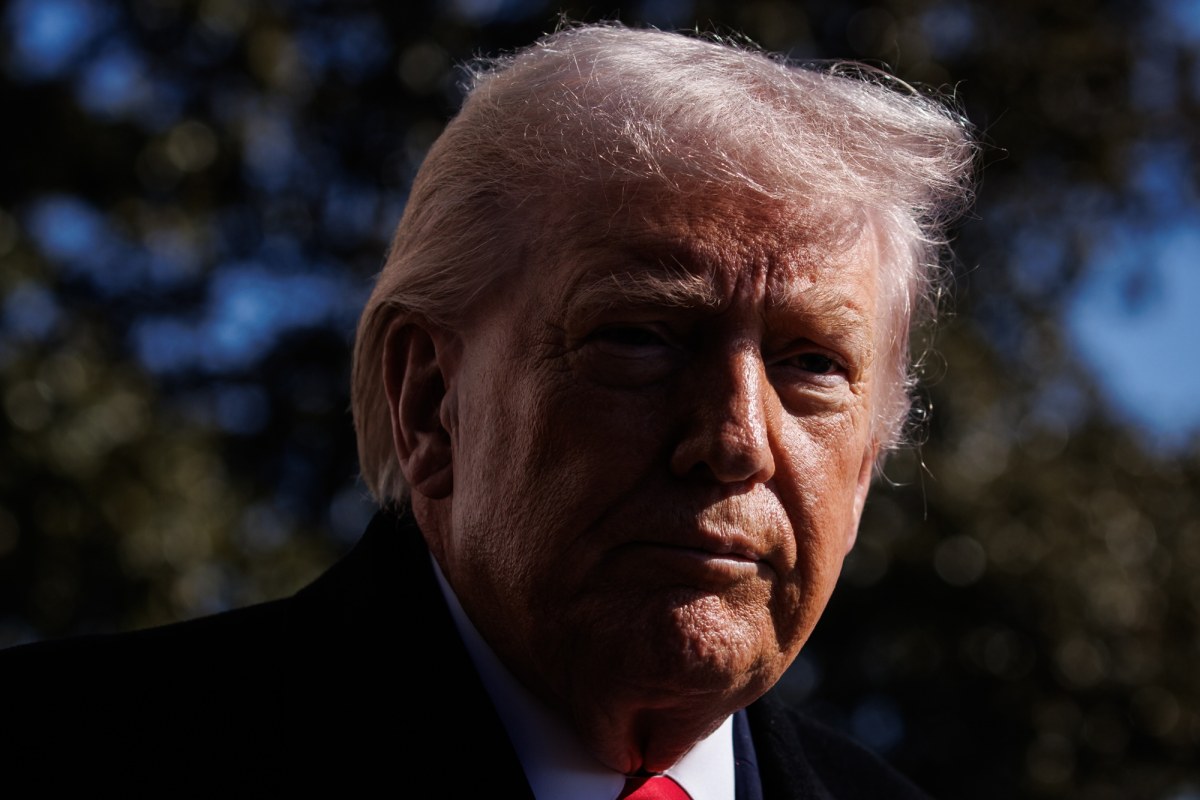
Relations between Europe and the Trump White House deteriorated sharply. US vice-president JD Vance criticized European countries, including the UK, over free speech and immigration last year. Tensions flared further over Donald Trump's recent threat to take over Greenland from Nato partner Denmark.
Starmer will address the conference on Saturday morning and participate in a moderated conversation with European Commission President Ursula von der Leyen. The discussion is titled "Principled and pragmatic: wielding power in a world in disarray".
Note: This article was created with Artificial Intelligence (AI).