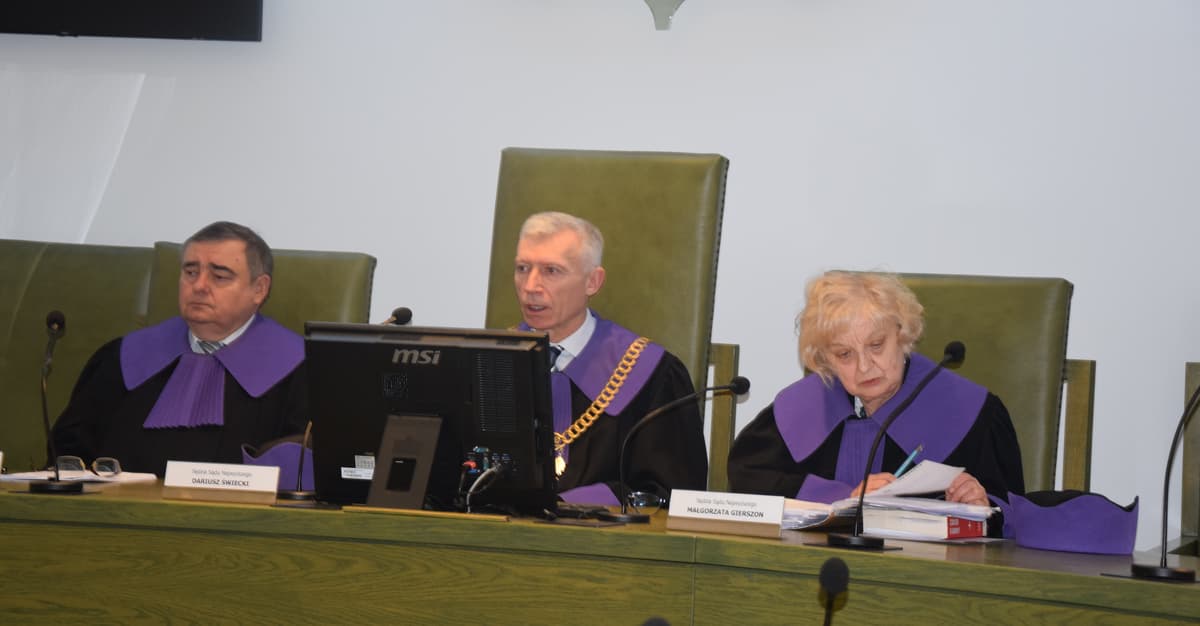
The Bank of England has signaled that future interest rate cuts are "likely" despite holding rates at 3.75% on Thursday, as inflation slows toward the central bank's 2% target. The decision came with a notably tight five-to-four vote split on the Monetary Policy Committee, raising expectations for a cut as early as March.
The narrow majority to maintain rates marks a shift in sentiment among rate-setters, who previously cut from 4% at the last meeting. Governor Andrew Bailey, who voted to hold this time, indicated room for further action: "All going well, there should be scope for some further reduction in the bank rate this year."
The tight vote suggests the committee is increasingly divided on timing rather than direction. Consumer prices index inflation stood at 3.4% in December, but the Bank now expects it to hit the 2% target this year – significantly earlier than the previous 2027 forecast.
Economic outlook darkens
The Bank downgraded its growth projections alongside the rate decision. UK growth is now forecast at 1.4% for 2025, down from 1.5%, while 2026 estimates fell more sharply to 0.9% from 1.2%. Only the 2028 forecast improved to 1.9%.
Unemployment forecasts rose across the board. The jobless rate is expected to peak at 5.3%, up from the November prediction of 5.1%, and remain elevated at 5.2% in 2027 compared to the previous 5% estimate.
Bank officials warned that consumer demand will remain subdued "through 2026". Supermarkets told the Bank they are seeing "modest" volume growth, with shoppers "forgoing treats" amid continued caution.
Inflation progress accelerates
The faster-than-expected drop toward the inflation target reflects multiple factors. Government support will reduce typical annual household energy bills by £134 from April, contributing roughly 0.5 percentage points to the inflation decline.
The Bank forecasts inflation will remain close to 2% through the end of 2026 before dipping to 1.7% in early 2027. This represents a significant shift from earlier projections of persistently higher inflation.
March cut in focus
Economists zeroed in on Governor Bailey's likely stance at the next meeting. James Smith, developed markets economist at ING, said: "Everything comes down to Governor Bailey's vote in March. Our sense is that if the data follows recent trends – higher unemployment/falling payrolls, slower wage growth – then he will swing behind a cut next month."
Matt Swannell, chief economic adviser at EY Item Club, noted the committee's changing priorities: "The latest assessments by most committee members suggest that they've become less concerned about sticky wage and price pressures at the start of the year, and more focused on the subdued growth outlook and the potential downside knock-on effect for the jobs market."
He added: "There were no promises made on when the Bank of England may cut rates again, but such a closely balanced vote split clearly opens the door to a rate cut at the March meeting."
ING predicts cuts in both March and June, which would bring rates down to 3.25%. The Bank has already cut six times over the past 18 months from a peak of 5.25%.
Note: This article was created with Artificial Intelligence (AI).