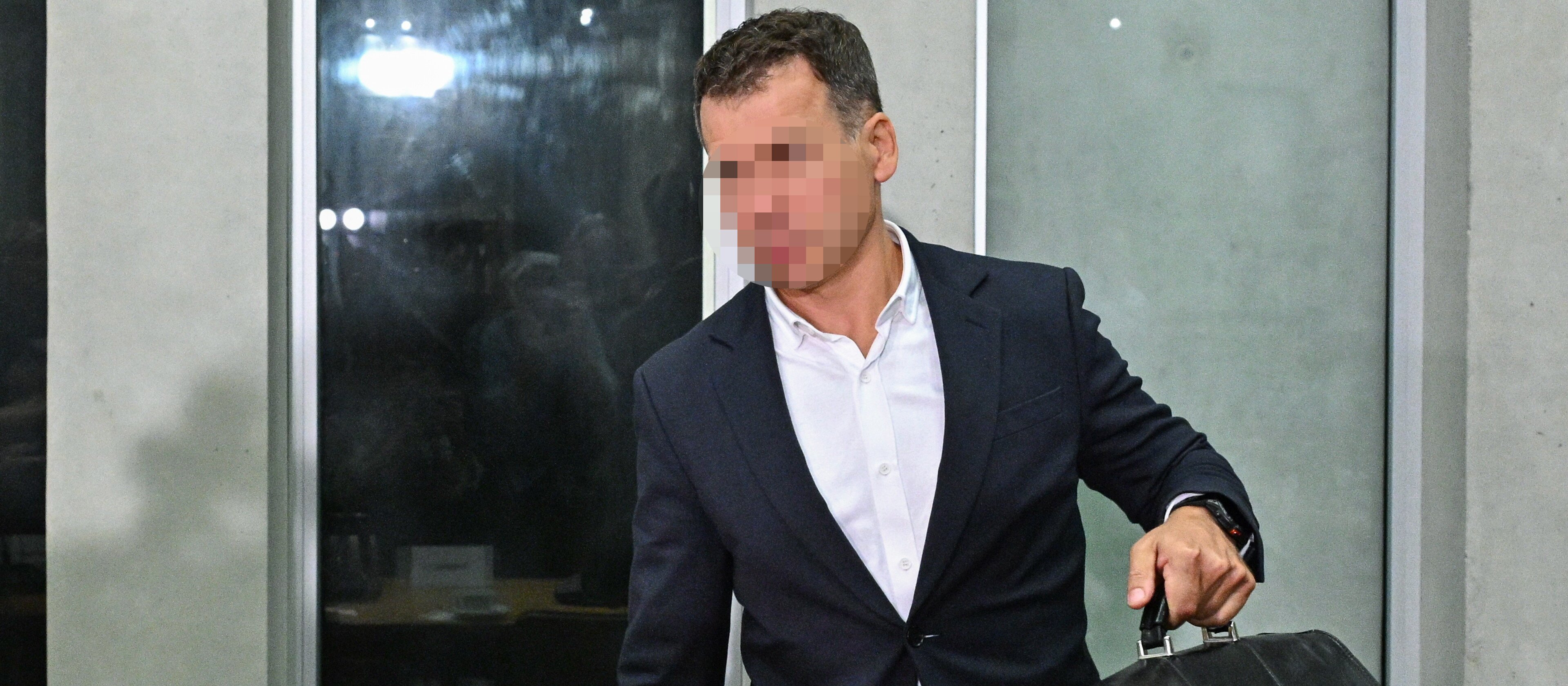
Health Secretary Wes Streeting has sparked internal Labour tensions by advocating for a "deeper trading relationship" with the EU that could include a customs union – directly challenging Prime Minister Keir Starmer's recent position. In an interview with The Observer, Streeting argued that such a relationship would boost economic growth, despite Downing Street ruling out customs union membership as a "red line" just weeks earlier.
Streeting told The Observer: «The best way for us to get more growth into our economy is a deeper trading relationship with the EU.» He acknowledged the UK took a «massive economic hit leaving the European Union» and specifically praised «the enormous economic benefits that came with being in the single market and the customs union.» The Health Secretary emphasized his support for closer EU ties while ruling out freedom of movement: «This is a country and a Government that wants a closer trading relationship with Europe. The challenge is any economic partnership we have can't lead to a return to freedom of movement.»
Downing Street moved quickly to defend Starmer's position. The Prime Minister's spokesman said Starmer was «very happy with his Cabinet» and that ministers were focused on «driving down the cost of living, targeting growth and turning renewal into reality for the year ahead.» The spokesman reaffirmed that Labour would stick to its «red lines» with the EU while seeking to «reset our relationship with the EU and strengthen that relationship.»
Leadership Questions Emerge
The intervention has triggered speculation about Streeting's ambitions. Broadcaster Andrew Neil criticized him on Times Radio: «Isn't he the health secretary? Don't we have a winter NHS crisis?» Neil questioned why Streeting wasn't focused on «getting the health service back on track» rather than engaging in «self-serving, solipsistic, candidacy manoeuvring.»
Backbench Labour MP Graham Stringer told Times Radio that Streeting was being «opportunistic» by supporting the customs union idea, calling it «an early shot in what might be a leadership election after the May local elections.» Stringer warned that poor results in the May elections would raise questions about Starmer's leadership, though he cautioned against frequent leadership changes: «The lesson we need to learn from the Conservatives, they have so many changes of leader, it made them look ridiculous.»
A government source told The Times that Streeting was «setting out his stall» for a leadership bid. In The Observer interview, Streeting denied such ambitions, saying: «The closer I see that job and the pressure on Keir and the demands of that job, the more I wonder why anyone would want it.» He insisted Starmer had his «absolute support.»
Opposition Seizes on Division
Conservative and Reform UK politicians attacked the apparent policy split. A Conservative spokesman said Streeting should focus on «running the health service» instead of «courting left-wing, pro-EU Labour Party members.» Reform UK's deputy leader Richard Tice MP called Starmer's EU approach a «shameful betrayal» and accused «Labour Remoaners like Wes Streeting» of seeking to «surrender every valuable Brexit freedom directly to Brussels.»
The customs union debate has already divided Labour MPs. Some 13 voted on December 9 for the Customs Union Bill, though the legislation is considered highly unlikely to become law.
The Economic Debate
A customs union would allow tariff-free trade with the EU but requires accepting common standards for traded goods. The UK left the EU customs union in 2020 as part of Boris Johnson's Brexit deal. Rejoining would cut bureaucracy for exporters but prevent the UK from striking independent trade deals with countries like the US and India. Pre-Brexit government analysis estimated leaving the customs union would reduce long-term GDP by about one percent. Think tank UK in a Changing Europe suggests rejoining could add 0.5 percent of GDP, or £15 billion annually.
Note: This article was created with Artificial Intelligence (AI).